Ragi (Finger Millet) Porridge
- Prep
- Cook
- Total
- Makes
- 2 bowls
- Cuisine
- South Indian
- Level
- Easy
- Vegetarian
- Gluten-free
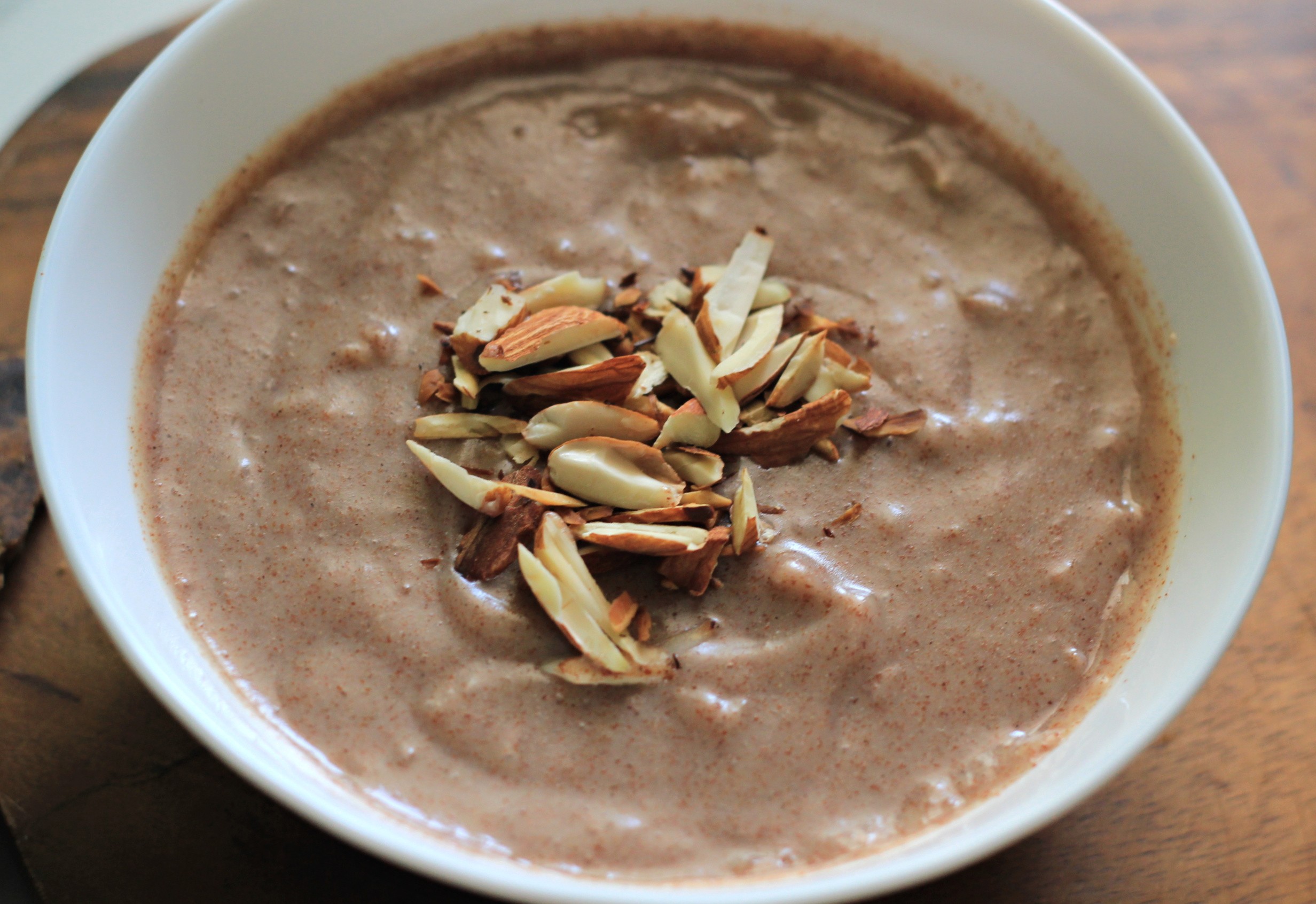
Ragi porridge is the breakfast most Indian kitchens fall back on when they want something warm, filling and genuinely nourishing without much effort. Finger millet is naturally gluten-free and mineral-dense, and it cooks down into a smooth, almost custard-like porridge in under ten minutes.
The only technique that matters here is the slurry. Ragi flour clumps the moment it hits hot liquid, so it gets whisked into a little cold water first and then poured into simmering milk in a slow stream. Do that and the porridge is silky every single time; skip it and you spend the next five minutes chasing lumps with a spoon.
Sweeten it at the end rather than the start. Jaggery added to boiling milk can cause it to split, so take the pan off the heat, stir the jaggery through and let the residual warmth dissolve it.
Ingredients
- ½ cup FarMart Pantry's Ragi Flour
- 2 cups milk (or water for a dairy-free option)
- 2 tablespoons jaggery or sugar (adjust to taste)
- A pinch of cardamom powder
- Optional toppings: sliced bananas, chopped nuts, or raisins
Instructions
- In a small bowl, mix the ragi flour with a little water to form a smooth paste, ensuring there are no lumps.
- In a saucepan, bring the milk (or water) to a boil.
- Lower the heat and slowly add the ragi paste, stirring continuously to prevent lumps.
- Cook on low heat for about 5-7 minutes until the mixture thickens to a porridge consistency.
- Add jaggery or sugar and cardamom powder, stirring well until the sweetener dissolves.
- Pour the porridge into a bowl and top with your choice of sliced bananas, chopped nuts, or raisins. Serve warm for a hearty breakfast or snack.
Tips for the best results
- Whisk the slurry in cold water, never warm — warm water starts gelatinising the starch before it disperses.
- Keep the heat low once the slurry goes in. Ragi thickens fast and scorches on the base of the pan if you rush it.
- Take the pan off the heat before adding jaggery so the milk does not split.
- If it thickens past what you want, loosen it with a splash of hot milk rather than water so you keep the body.
Variations
- Dairy-free: swap the milk for water or coconut milk. Coconut milk gives you a richer porridge and pairs well with the cardamom.
- Savoury ragi ambali: skip the jaggery and cardamom, use buttermilk in place of milk, and finish with salt, curry leaves and a pinch of asafoetida.
- For babies and toddlers: cook it thinner, leave out the sweetener entirely and mash a little ripe banana through it.
- Sprouted ragi flour works in exactly the same quantities and is easier to digest.
Storing and reheating
Ragi porridge is best eaten straight away, but it keeps in the fridge for up to two days in a covered container. It sets firm when cold — reheat gently with a few tablespoons of milk and whisk it back to a pourable consistency.
What to serve it with
- Sliced banana and toasted almonds for a complete breakfast
- A spoon of ghee stirred through, the way it is traditionally served in Karnataka
- Alongside a glass of buttermilk in the summer months
Frequently asked questions
How do I stop ragi porridge from going lumpy?
Mix the ragi flour with a little cold water into a smooth, pourable paste before it touches the hot milk, then add that paste slowly while stirring continuously. Lumps form when dry flour hits hot liquid and the outside gelatinises before the inside gets wet.
Is ragi porridge gluten-free?
Yes. Finger millet contains no gluten, so this porridge is naturally gluten-free as long as the flour has not been cross-contaminated during milling. Check that the pack is labelled accordingly if you are cooking for someone with coeliac disease.
Can I make ragi porridge for a baby?
Yes, and it is a common first cereal in India from around six months. Cook it thinner than the recipe below, use water or the milk your paediatrician has advised, and leave out the jaggery and any nuts.
Can I make it the night before?
You can, but it sets firm in the fridge. Reheat it with a few tablespoons of extra milk and whisk until it loosens. The texture is noticeably better made fresh.
Jaggery or sugar — does it matter?
Either works. Jaggery brings a mild caramel note and is the traditional choice; add it off the heat so the milk does not split. Sugar dissolves more readily and gives a cleaner sweetness.