Bajra Roti (Pearl Millet Flatbread)
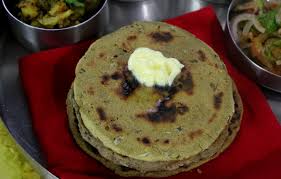
- Prep
- Cook
- Total
- Makes
- 4 rotis
- Cuisine
- North Indian
- Level
- Medium
- Vegetarian
- Gluten-free
Bajra has no gluten, which means a bajra dough has nothing holding it together. That is the whole challenge of this roti — and hot water is the whole answer.
Boiling water partly gelatinises the millet starch, and that gel does the job gluten would normally do. Knead the flour with water straight off the boil, as hot as your hands can stand, and you get a dough that rolls out without tearing at the edges.
Work with one ball at a time and keep the rest covered. Bajra dough dries out within minutes, and a dry dough cracks no matter how careful you are with the rolling pin. If you find rolling difficult, press the ball out between two sheets of parchment instead — traditional cooks pat it out by hand on a damp cloth, which works just as well once you get the feel for it.
Ingredients
- 1 cup FarMart Pantry's bajra flour
- ¼ teaspoon salt
- ½ cup hot water (adjust as needed)
- Ghee or butter for serving (optional)
Instructions
- In a mixing bowl, combine the bajra flour and salt.
- Gradually add hot water to the flour mixture, stirring continuously, until a soft dough forms.
- Divide the dough into equal portions and roll each into a ball.
- Place a dough ball between two sheets of parchment paper or use a rolling pin to flatten it onto a thin, round disc about 6 inches in diameter.
- Heat a tawa or non-stick skillet over medium heat. Carefully transfer the rolled-out roti onto the hot skillet.
- Cook for about 1-2 minutes on one side until you see bubbles forming, then flip and cook the other side for another 1-2 minutes.
- Repeat with the remaining dough balls.
- Serve hot with ghee or butter, alongside your favorite curry or vegetable dish.
Tips for the best results
- Use water straight off the boil and knead as hot as you can manage. Warm water will not gelatinise the starch enough and the dough will crack.
- Keep the dough covered with a damp cloth at all times and roll one roti at a time.
- Roll between two sheets of parchment if the dough keeps splitting — far more forgiving than a bare surface.
- Cook on a properly hot tawa. A cool pan dries the roti out before it has a chance to puff.
- Press the edges gently with a folded cloth as it cooks to encourage it to puff up.
Variations
- Add finely grated methi leaves or chopped coriander to the dough for a winter-style bajra thepla.
- Mix a tablespoon of jowar or wheat flour into the bajra to make a more forgiving dough if you are new to millet rotis.
- Rajasthani style: cook it directly over charcoal or a gas flame after the tawa to char it, then crush it with ghee and jaggery.
Storing and reheating
Bajra rotis are best eaten hot off the tawa — they turn dense and crumbly as they cool, which is characteristic of gluten-free flatbreads. If you must make them ahead, wrap them in a clean cloth inside a covered box and reheat on a dry tawa. Do not refrigerate the raw dough; bajra flour turns bitter once it has been sitting hydrated.
What to serve it with
- Sarson ka saag with a spoon of white butter — the classic winter plate
- Any thick dal, or a garlic-heavy lehsun chutney
- Jaggery and ghee, eaten as a sweet finish the way it is served across Rajasthan
Frequently asked questions
Why does my bajra roti crack when I roll it?
The dough is too cold or too dry. Bajra has no gluten, so it relies on hot water to gelatinise the starch and bind. Knead with water straight off the boil, keep the dough covered with a damp cloth, and roll one roti at a time.
Can I make bajra roti dough in advance?
No — make it just before cooking. Bajra flour develops a bitter taste once the dough has been standing, and refrigerating it makes the cracking worse. You can keep the dry flour ready to go instead.
Is bajra roti gluten-free?
Yes. Pearl millet contains no gluten. Check that your flour is milled in a facility that avoids cross-contamination if you are cooking for someone with coeliac disease.
How do I get bajra roti to puff up?
A properly hot tawa and gentle pressure. Once bubbles appear and you have flipped it, press the surface with a folded cloth — the trapped steam lifts it. Rolling the roti to an even thickness matters more than rolling it thin.
Is bajra roti better than wheat roti?
It is different rather than strictly better. Bajra is gluten-free, higher in iron and magnesium and has a lower glycaemic index than refined wheat, which is why it is often recommended for blood-sugar management. It is also warming, which is why it is eaten mostly in winter across North India.